
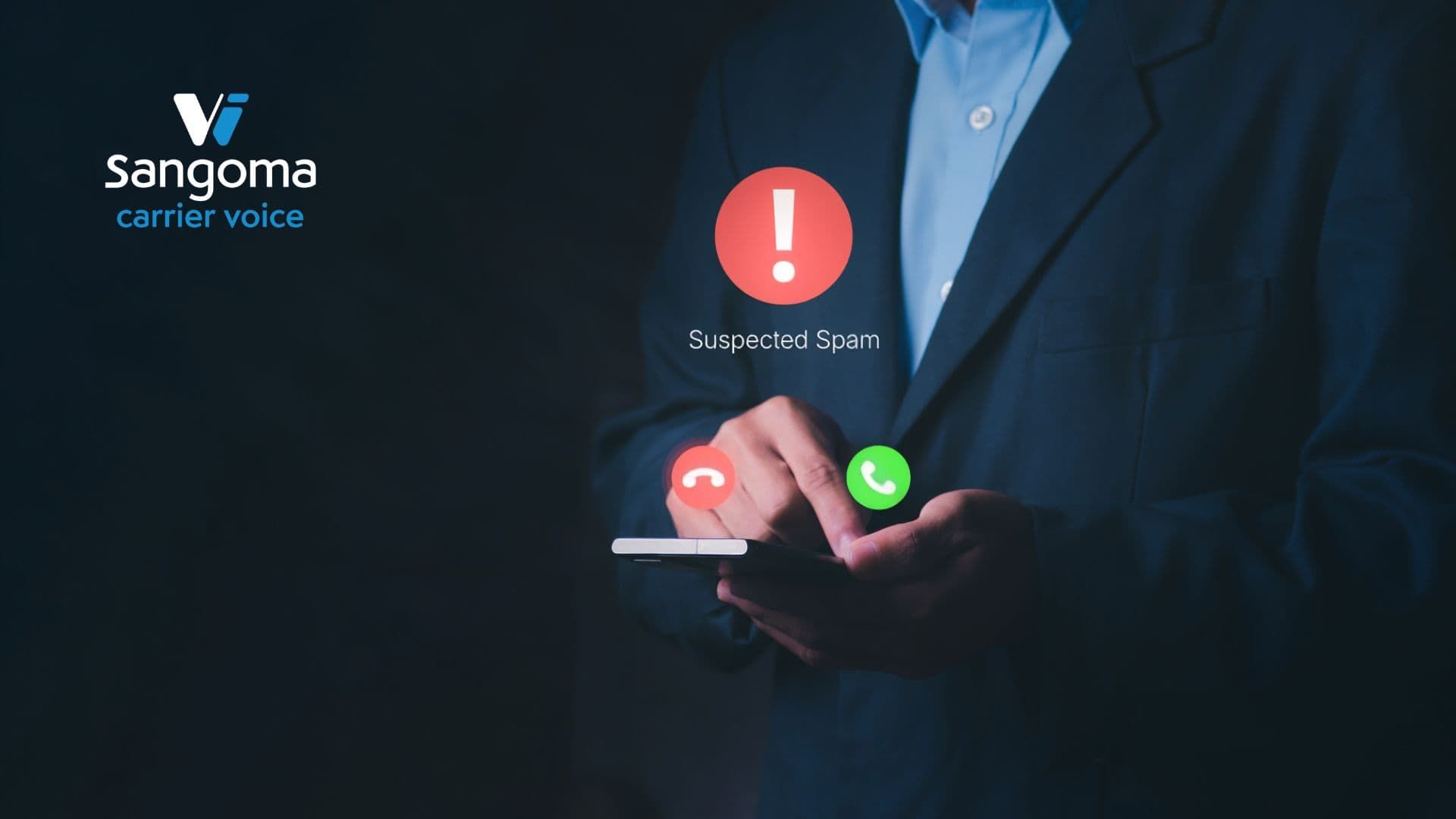
Outbound calls still generate billions of dollars in revenue, customer engagement, and service operations every year. Yet a surprising and costly issue affects many legitimate outbound calls: they are marked “Spam Likely,” “Scam,” or “Fraud,” even when the caller is compliant and trusted.
The Modern Reality of Call Labeling
In the past, outbound call delivery was simple: you dialed, and the call was routed to the carrier, which delivered it to the recipient. Today’s ecosystem is much more complex.
Carriers, call-blocking apps, and reputation engines each evaluate outbound calls using dynamic rating systems, and they do not always agree. A call that appears safe in one system may still be flagged in another. Worse, many of these evaluations happen silently and automatically.
If you don’t have visibility into how these networks label your outbound calls, you may not even know there’s a problem until your answer rates drop or customers start expressing confusion or distrust.
The Common Misconception: “We Have STIR/SHAKEN”
One of the most widespread assumptions in the industry is that once STIR/SHAKEN is in place, labeling issues disappear. This simply isn’t true.
STIR/SHAKEN authenticates the calling number, proving that the number belongs to the caller, but it does not control how calls are labeled or scored for reputation.
If you’d like to learn more about how STIR/SHAKEN works and what it actually solves, see Sangoma’s dedicated STIR/SHAKEN compliance page.
Caller ID Reputation – What It Is and Why It Matters
Caller ID reputation is the collective assessment of how carriers, call-blocking apps, and analytics platforms perceive your outbound numbers. It determines how these systems handle your traffic and is distinct from STIR/SHAKEN authentication.
Factors that influence reputation include:
-> Call patterns (frequency, time of day) -> Volume spikes or unusual usage -> Consumer complaint signals -> Caller name (CNAM) accuracy and consistency -> Number reuse or reassignment history
Even if your calls originate from legitimate systems and comply with regulations, negative reputation signals can cause carriers and blocking apps to downgrade or label your calls.
And unlike STIR/SHAKEN authentication, there is no universal alerting system when reputation is affected, leaving organizations unaware until it’s too late.
Real Business Impact You Can’t Ignore
Poor caller ID reputation has very real consequences for business and service performance:
-> Lower answer rates: Customers ignore calls labeled “Spam,” “Scam,” or “Fraud,” even when they should answer. -> Lost revenue: Missed sales calls, unconfirmed appointments, and failed engagement outcomes directly affect your bottom line. -> Increased operational costs: More attempts, more agent time, and more outbound volume waste resources your business cannot afford to lose. -> Increased support and churn: Customers complain. Support tickets increase. Partners churn. All because of mislabeling.
If these points sound familiar, you may already be facing caller ID reputation challenges, even if you didn’t know it.
Why Most Organizations Don’t Know This Is Happening
Here’s the problem: there is no dashboard that shows you your call reputation across networks.
-> Carriers don’t proactively notify you. -> Call-blocking apps don’t send alerts. -> You don’t receive notifications when reputation scores change.
This means most organizations discover mislabeling only after performance metrics start to trend downward, or worse, after customer complaints start flooding in.
You don’t want to be reactive. You want visibility.
Introducing Visibility as the First Step
Before you can fix reputation issues, you need to see them.
That means monitoring how your numbers are labeled across carriers, apps, and analytics providers, rather than checking just one system.
From there, you can:
-> Identify the numbers affected -> Understand why they’re flagged -> Take action to address issues -> Track improvements over time
This is where proactive caller ID reputation monitoring becomes a strategic advantage.
How Sangoma Caller ID Reputation (CIDR) Helps
Sangoma Caller ID Reputation (CIDR) provides exactly this visibility, along with tools to manage and mitigate reputation issues:
Monitor
Analyze your outbound numbers across carriers, call-blocking apps, and reputation providers. Receive alerts when mislabeling or risk signals appear.
Manage
Understand exactly which numbers are flagged and why. Identify whether CNAM inconsistencies, attestation gaps, or call patterns are contributing.
Mitigate
Get guidance on how to restore call performance, including label remediation with carriers and analytics partners. You can also opt for managed remediation services so experts handle resolution for you.
With CIDR, you stop guessing and start managing your call reputation intelligently.
Who benefits from call number reputation monitoring
Call number reputation isn’t limited to one type of organization. It helps across the board:
For businesses making outbound calls
-> Contact centers -> Sales teams -> Appointment reminder systems -> Financial services and insurance -> Healthcare follow-ups -> Educational notifications
For service providers and channel partners
-> Protect the quality of your own outbound traffic -> Reduce support escalations related to spam labeling -> Differentiate your voice portfolio -> Offer CIDR as a valuable recurring service -> Increase customer loyalty
For partners, it’s more than just a tool; it’s a new revenue opportunity that aligns perfectly with voice services.
Key takeaways
Let’s recap what matters most:
-> Outbound calls are labeled Spam even when they’re legitimate. -> STIR/SHAKEN is necessary but not sufficient to prevent labeling. -> Call number reputation is a distinct dimension that truly affects deliverability and engagement. -> Visibility and proactive monitoring are essential to protect performance. -> Sangoma CIDR gives you the visibility, insights, and remediation paths you need to regain trust and control.
Want to see how your own calls are labeled ? -> Contact one of our specialists
Frequently asked questions
1. Does CIDR replace STIR/SHAKEN?
No. STIR/SHAKEN helps authenticate caller identity. CIDR focuses on reputation and labeling, which influence whether calls are answered, labeled, or blocked.
2. How long does it take to see issues?
Many customers see actionable insights quickly once monitoring is enabled. Remediation timelines vary depending on the root cause and the source of the labeling.
3. Can I use CIDR internally and resell it as well?
Yes — partners can deploy it for their own traffic and offer it to end customers as a recurring service.
4. What information do you need to get started?
Your outbound use case, approximate call volume, and the numbers or number ranges you want to monitor.
5. Does CIDR guarantee removal of all spam labels?
No tool can guarantee results across every network and algorithm. CIDR provides visibility, diagnostics, and remediation paths to improve performance and reduce risk over time.
Additional links: