
The Customer
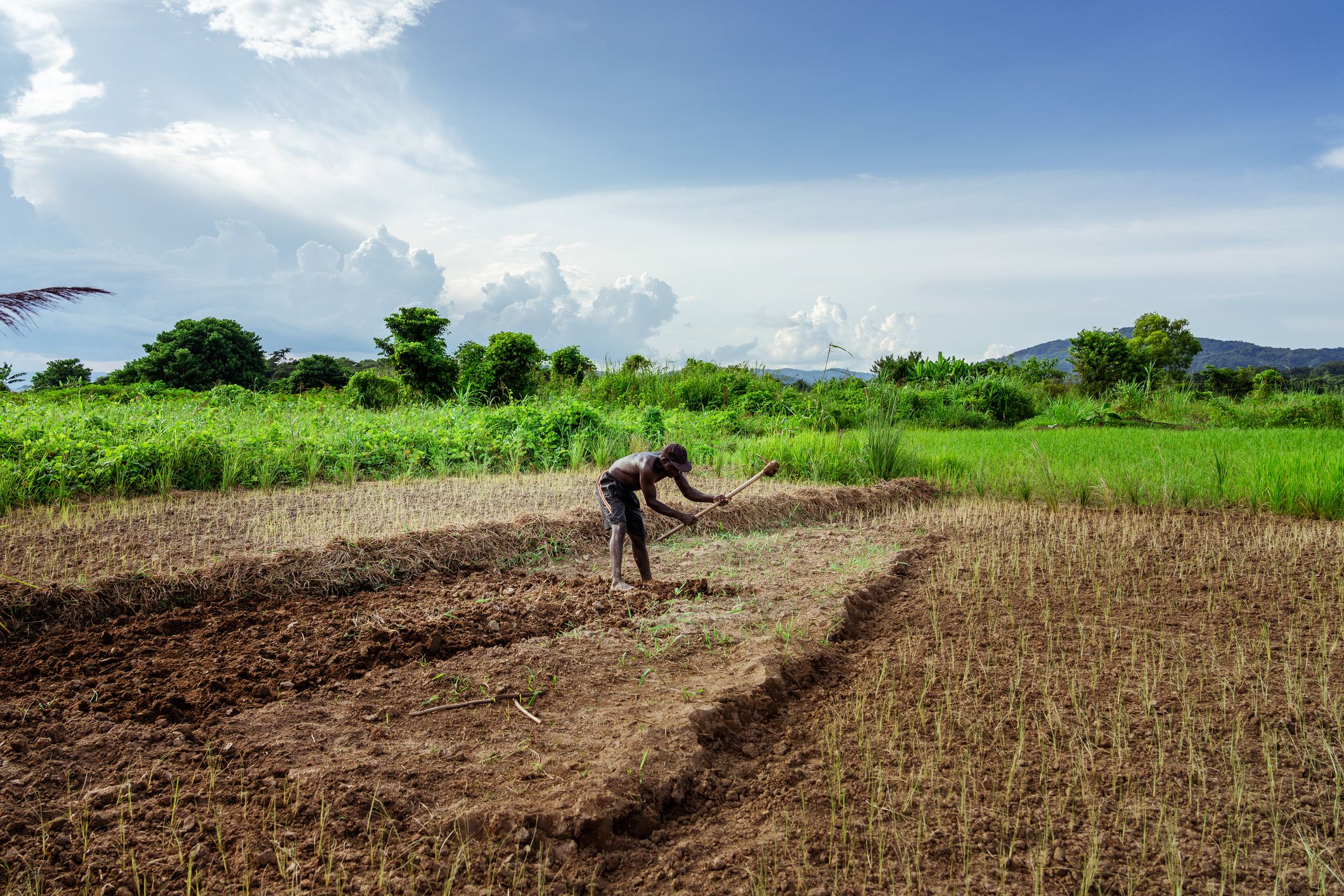
CORAF/WECARD is an NGO based in Senegal that collaborates with a mix of economic communities, intergovernmental organizations, and financial and technical institutions to meet the socioeconomic needs of the African population, improve the efficiency and effectiveness of small-scale agricultural producers, and promote the agri-food sector.
CORAF/WECARD is an NGO based in Senegal that collaborates with a mix of economic communities, intergovernmental organizations, and financial and technical institutions to meet the socioeconomic needs of the African population, improve the efficiency and effectiveness of small-scale agricultural producers, and promote the agri-food sector.
Business Challenges
According to the information and communication technologies (ICT) manager, Gorgui Alioune Mbow, CORAF’s old analog phone system was very costly. In addition, Mbow knew that the quality of analog communications is currently very poor. “Maintaining the old system was becoming too frequent and too costly,” explains Mbow. “Modernizing it or expanding its capacity to meet our needs would have cost even more, so I started looking for an affordable solution.” Mbow searched the Internet to familiarize himself with the available options when he discovered Visiocont@ct Sénégal, a Switchvox reseller. “Visiocont@ct introduced us to VoIP and Switchvox, how it could be easily adapted to the French language, and all the features we would gain from UC capabilities,” says Mbow. “We conducted a quick analysis of CORAF’s existing data network in preparation for adding voice,” explains Diop. “We laid fiber and completed the cabling, which involved about 100 meters between their two main buildings at the headquarters in Dakar, before setting up the gateway and installing Switchvox with about 40 HD IP phones.”
Solutions From Sangoma
Implementing VoIP required building a supporting infrastructure for voice communications. According to Lamine Diop, information and services technologies (ITS) manager at Visiocont@ct’s Office of Analysis, Design, Development and Training in Dakar, they began by analyzing the existing data network. “We showed CORAF how they could use their existing data network with a GSM gateway to implement the new setup affordably,” he explains. GSM (Global System for Mobile Communications) is a standard developed by the European Telecommunications Standards Institute (ETSI) to describe the protocols for second-generation (2G) digital cellular networks used by mobile phones.
Implementing VoIP required building a supporting infrastructure for voice communications. According to Lamine Diop, information and services technologies (ITS) manager at Visiocont@ct’s Office of Analysis, Design, Development and Training in Dakar, they began by analyzing the existing data network. “We showed CORAF how they could use their existing data network with a GSM gateway to implement the new setup affordably,” he explains. GSM (Global System for Mobile Communications) is a standard developed by the European Telecommunications Standards Institute (ETSI) to describe the protocols for second-generation (2G) digital cellular networks used by mobile phones.
The Results
The changes and additional features have been somewhat overwhelming, not because of any difficulties, but because they have so much power and control at their fingertips. “The system is really simple, but we can do so much more—it’s not as though we were used to having mobility, conference calls, video conferencing, or an IVR with call trees,” explains Mbow. “They continue to explore and experiment with many of its capabilities, but as we continue to train them according to their level of use, they are actively exploring the possibilities,” says Diop. “Right now, we are still learning the IVR, so we only use it on weekends when there is no one to answer calls, but we still use the conference calling and video conferencing features,” says Mbow. Currently, the remaining eight offices across West and Central Africa act as extensions of the main office in Dakar. “In addition to our eight offices, we also have twenty-two representatives in twenty-two countries in West and Central Africa whom we want to bring together to save even more,” says Mbow. “We are now preparing for the second phase, which involves linking them all together in a centralized telephone system. » With the work barely completed, their first post-installation bill recorded a 30% drop in telephony costs! “Visiocont@ct eliminated our old analog system and replaced it with the classic Switchvox technology, and I can tell you, I am very happy,” says Mbow. “This new system is wonderful!”
The changes and additional features have been somewhat overwhelming, not because of any difficulties, but because they have so much power and control at their fingertips. “The system is really simple, but we can do so much more—it’s not as though we were used to having mobility, conference calls, video conferencing, or an IVR with call trees,” explains Mbow. “They continue to explore and experiment with many of its capabilities, but as we continue to train them according to their level of use, they are actively exploring the possibilities,” says Diop. “Right now, we are still learning the IVR, so we only use it on weekends when there is no one to answer calls, but we still use the conference calling and video conferencing features,” says Mbow. Currently, the remaining eight offices across West and Central Africa act as extensions of the main office in Dakar. “In addition to our eight offices, we also have twenty-two representatives in twenty-two countries in West and Central Africa whom we want to bring together to save even more,” says Mbow. “We are now preparing for the second phase, which involves linking them all together in a centralized telephone system. » With the work barely completed, their first post-installation bill recorded a 30% drop in telephony costs! “Visiocont@ct eliminated our old analog system and replaced it with the classic Switchvox technology, and I can tell you, I am very happy,” says Mbow. “This new system is wonderful!”